
Loading page

Stories for the road
Get destination notes, practical travel tips, and new stories from Oromia.
Two Rift Valley lakes, a hot spring shoreline and one of Ethiopia's richest bird counts.
Overview
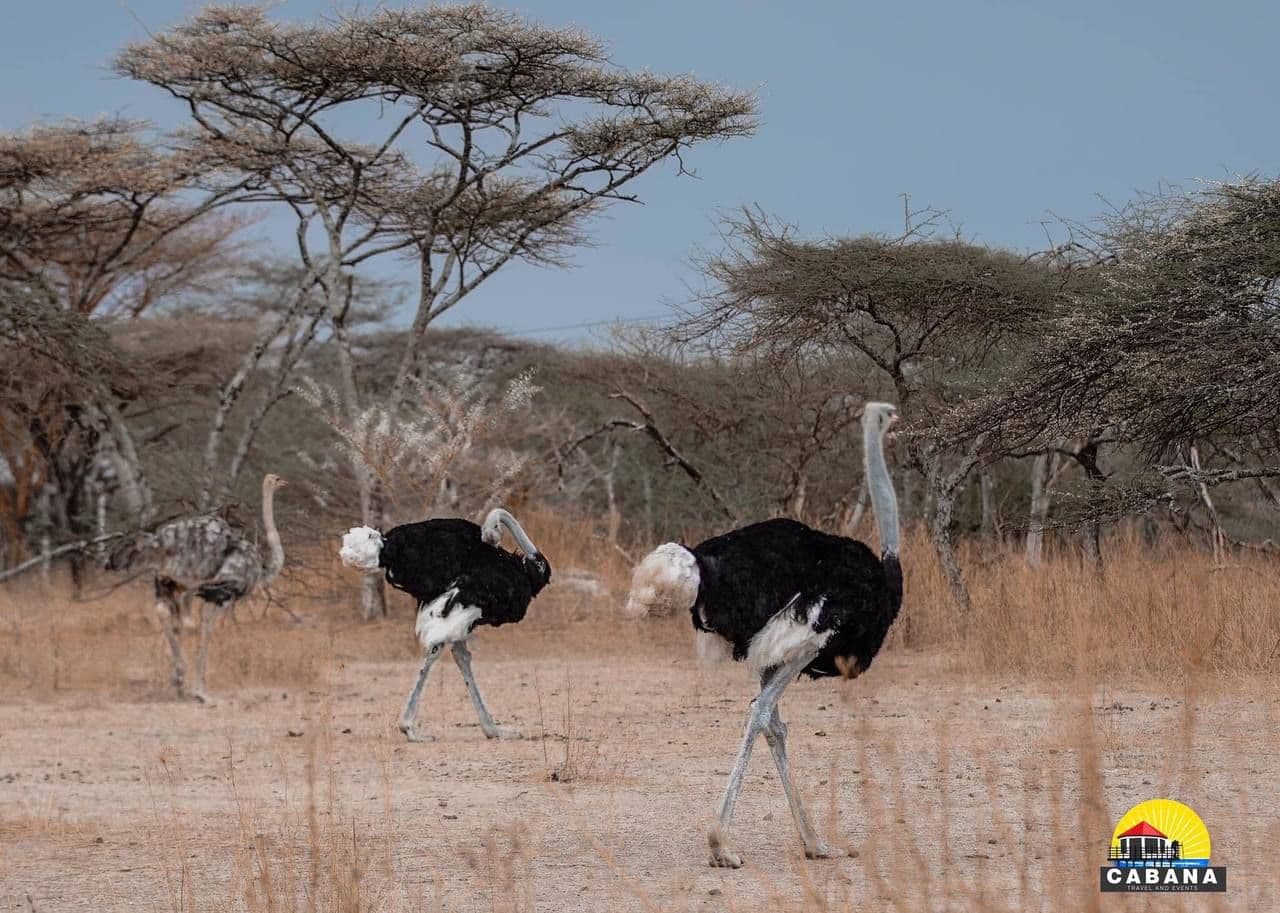
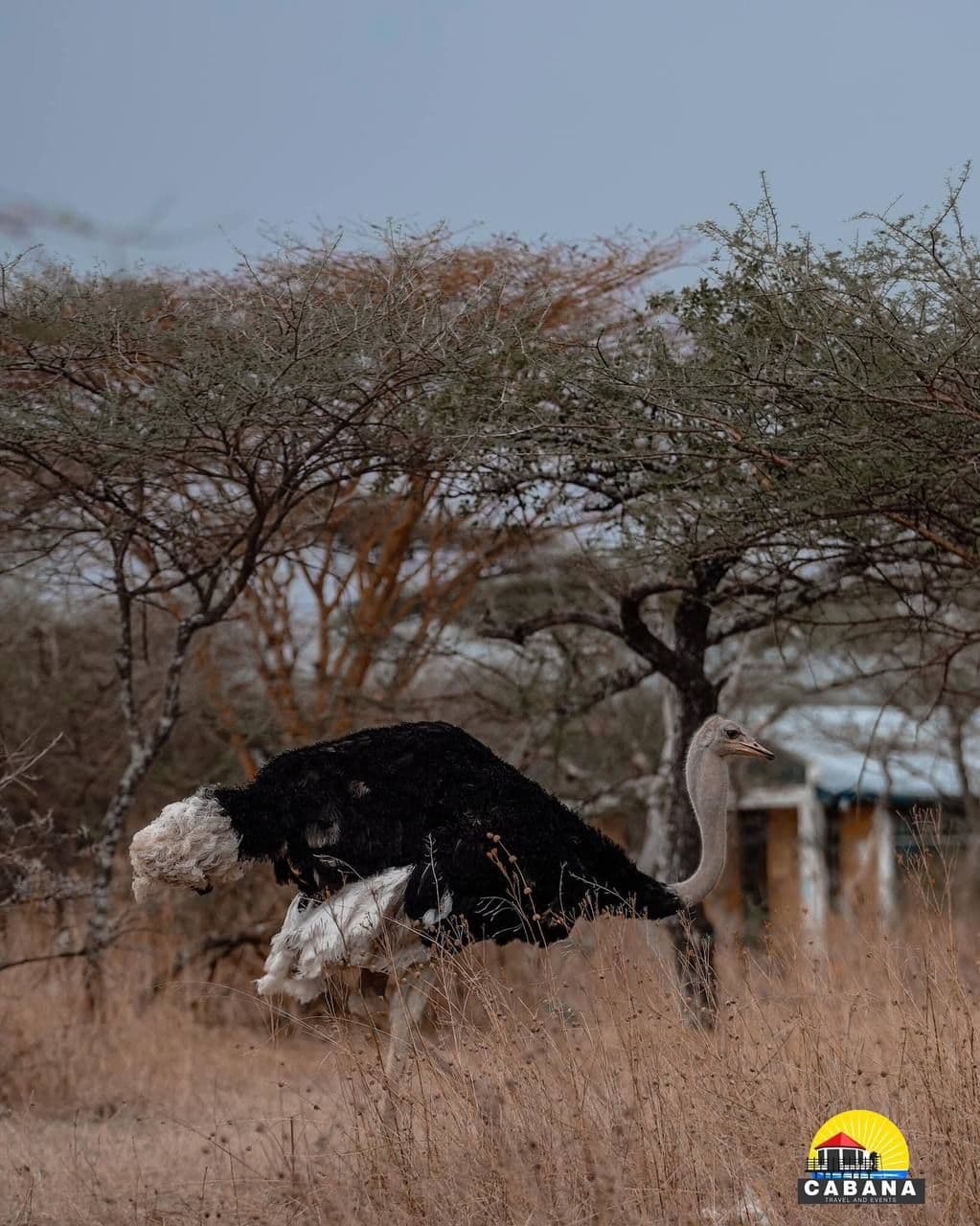
Still in the immediate vicinity of Lake Langano and to the west of the highway lies Abijata Shalla National Park. The park is renowned as a birdwatcher's paradise, with some 360 or more species to be found. The bulk of it is covered by the two lakes, Abijata and Shalla, and from July through September each year the lakes are covered in thousands of flamingos. Although not in abundance, several mammals live here too, including hyaena, jackal, baboon, Grant's gazelle, warthog and ostrich.
A fine strip of land separates the two lakes, and walking along it at higher elevations gives the best views. Lake Shalla is the deepest lake in the country and is ringed by majestic hills that make for stunning sunsets, while Lake Abijata is a very shallow low-lying lake with vast expansive shorelines filled with birds.
A beautiful hot spring bubbles from the ground on the shores of Lake Shalla, and with the right vehicle you can visit nearby Chitu Lake, a small crater lake that holds by far the largest concentration of flamingos in the area.
Spanning roughly 887 square kilometers within the Main Ethiopian Rift Valley, the park encompasses two contrasting soda lakes created by dramatic tectonic activity. While Lake Abijata is a shallow, highly alkaline basin that acts as a primary feeding ground for waterbirds, neighboring Lake Shalla sits inside an ancient volcanic caldera and plunges to depths of over 260 meters—making it one of the deepest lakes in Africa. Shalla’s isolated islands also serve as one of the continent’s most vital breeding colonies for Great White Pelicans.
Beyond the shoreline wetlands, the park's terrestrial terrain consists mainly of semi-arid acacia woodlands, open savannah grassland, and volcanic tuff hillsides dominated by Acacia tortilis and wild fig trees. At the park headquarters, visitors can observe a habituated flock of semi-domesticated ostriches along with grazing gazelles. The surrounding dry woodlands also support woodland bird species—such as hornbills, lovebirds, and bee-eaters—making the park’s overall count exceed 300 to 500 recorded resident and Palearctic migratory bird species.
Gallery
What's included
Official park entrance and conservation permits are arranged for you, and a certified wildlife and birdwatching guide travels with you along with an armed park scout.
The route covers the Lake Abijata shoreline for flamingo and waterbird viewing, the isthmus viewpoints between the two lakes, and the bubbling hot springs and sunset overlook on the shore of Lake Shalla.
With the right vehicle the trip extends to Chitu crater lake, where the densest flamingo colony in the area gathers.
Bring comfortable shoes, a refillable bottle, and a camera.
Your visit directly supports conservation and local livelihoods across Oromia.
Travel with purpose. Leave with stories.
Keep exploring
 Eco Village
West Shewa, Oromia
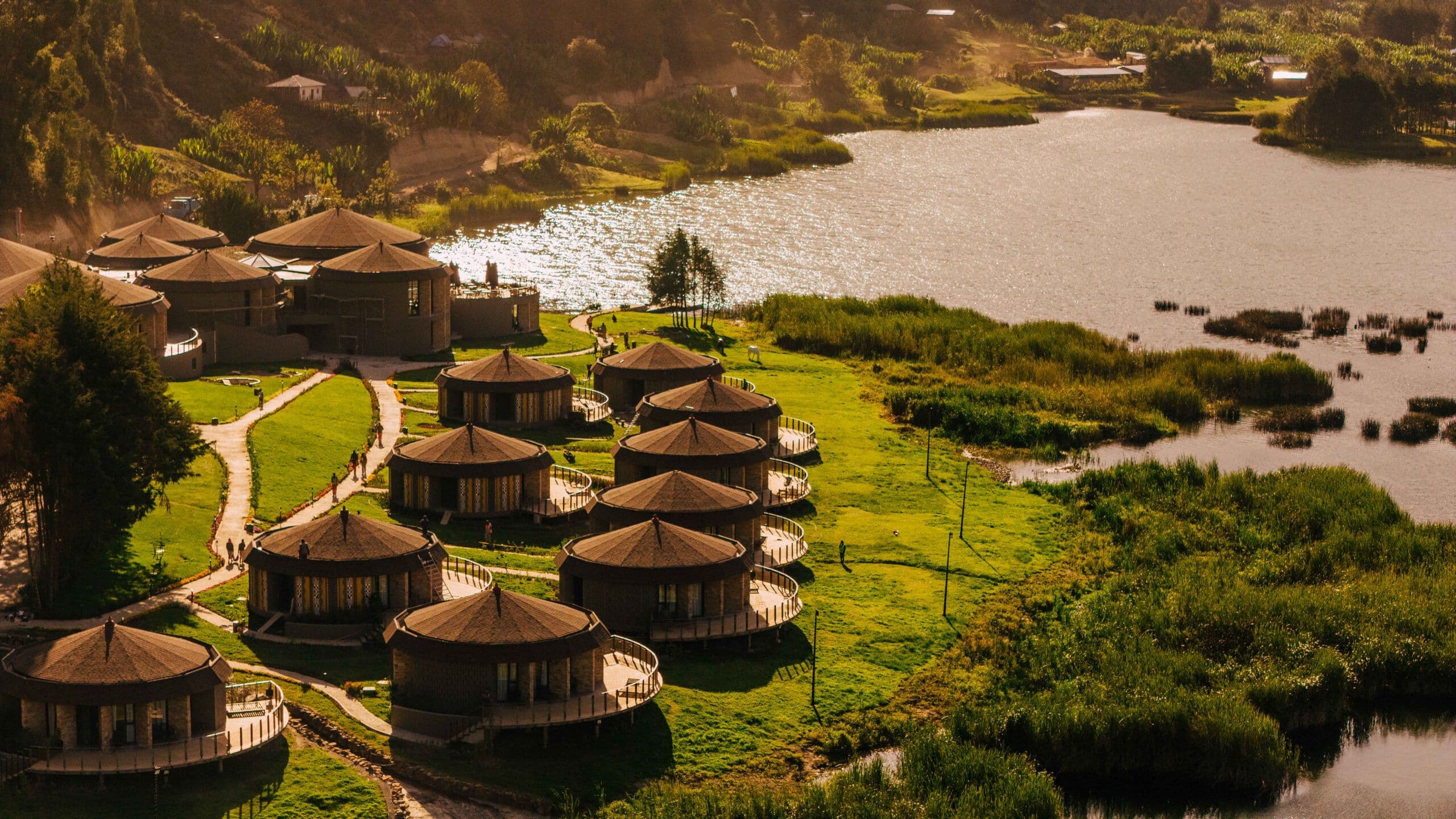
Just 155km from Addis Ababa via Ambo or Waliso, a UNWTO-recognised eco village wrapped around a crater lake of cliffs and greenery.
Explore guide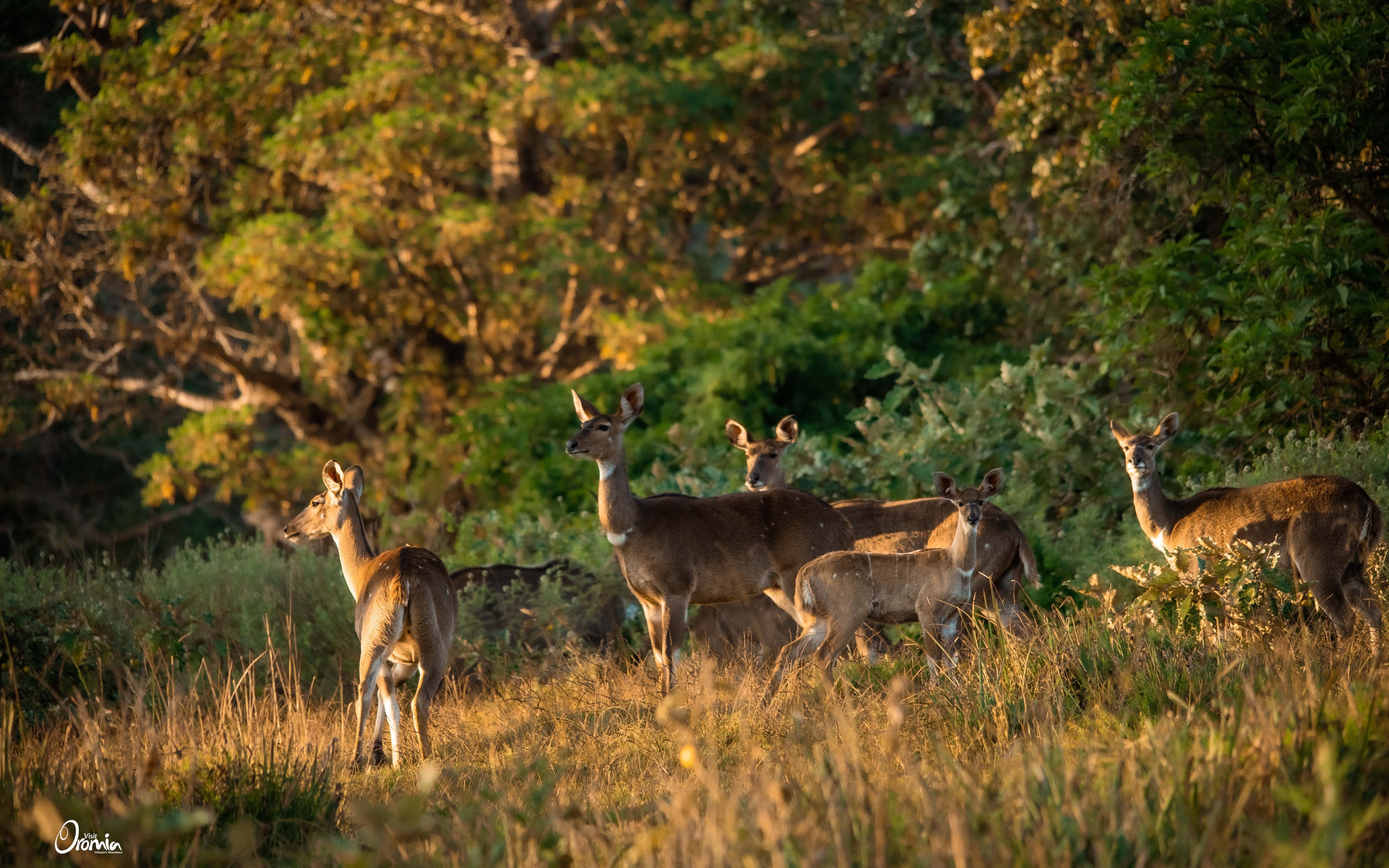 Adventure
Bale, Oromia
A high-altitude plateau of volcanic plugs, alpine lakes and mountain streams, and the largest Afro-alpine habitat in Africa.
Explore guide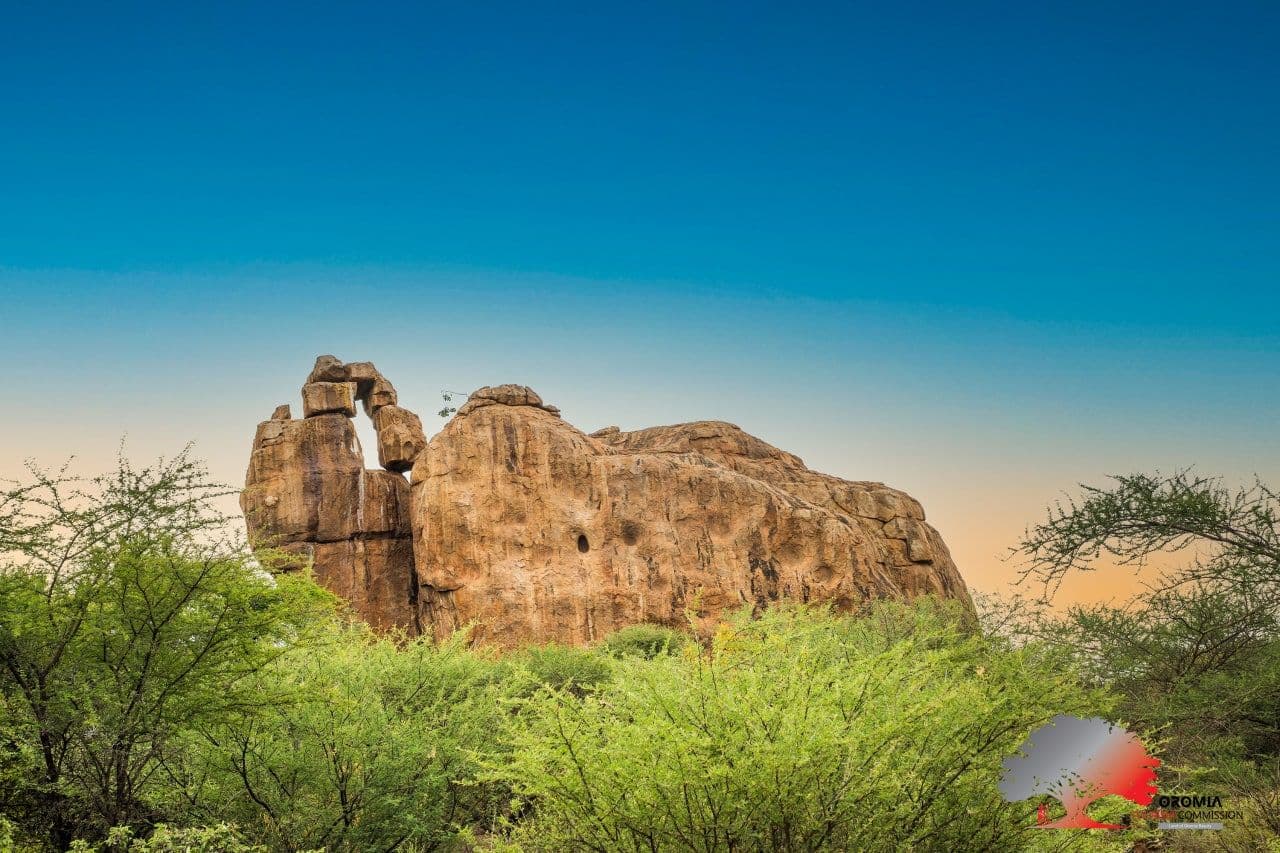 Wildlife
East Hararghe, Oromia
A 6,982 square kilometre semi-arid sanctuary established to protect its elephants and black-maned lions.
Explore guide